
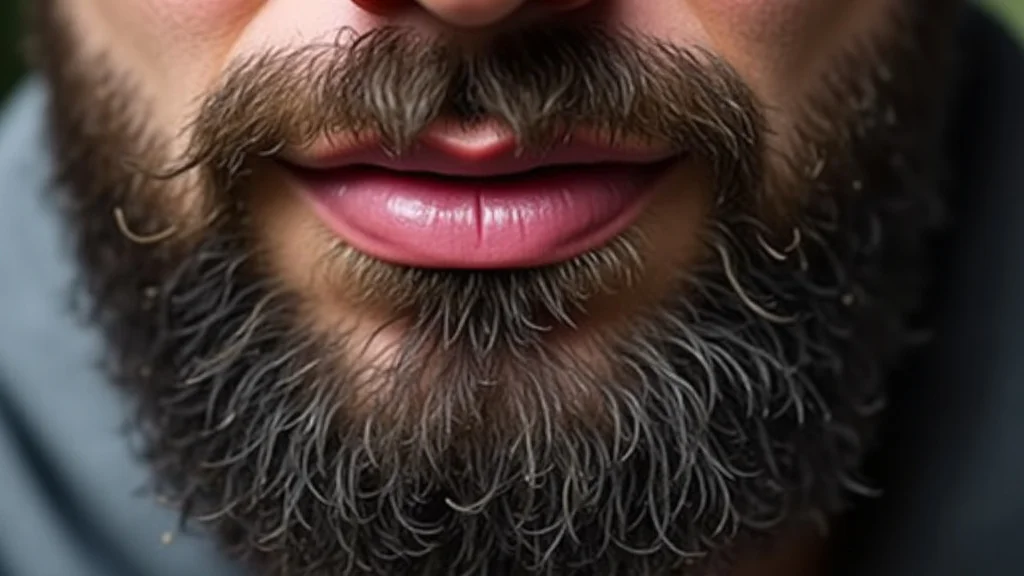
You’ve seen the ads: sleek bottles, fancy applicators, and promises of a fuller, thicker beard seemingly overnight. But as you stare at your patchy beard, you can’t help but wonder, do beard growth kits work? It’s a common question for many aspiring bearded gentlemen who are tired of waiting for nature to take its course.
This post will break down what these kits contain, how they claim to work, and what the science says so you can make an informed decision.
Key Takeaways
- Beard growth kits often combine topical treatments, supplements, and grooming tools.
- The effectiveness of kits relies heavily on ingredients like minoxidil, biotin, and natural oils.
- Genetics and individual biology play a significant role in beard growth potential.
- Patience and consistent use are essential for any beard growth method.
- While kits can support growth, they are not magic cures for genetic limitations.
Understanding Beard Growth Kits
Beard growth kits are designed to offer a comprehensive approach to stimulating and enhancing facial hair development. They typically bundle several products together, aiming to tackle the problem from multiple angles. The core idea is that by providing the necessary nutrients, promoting blood circulation, and maintaining healthy skin, these kits can encourage thicker and faster beard growth.
Many users are drawn to kits because they offer a convenient all-in-one solution, rather than having to research and purchase individual products. This convenience factor can be a significant appeal for those who are new to beard care or seeking a straightforward routine.
The contents of these kits can vary widely, but common components include topical solutions, oral supplements, and grooming tools. Topical treatments might contain active ingredients known to stimulate hair follicles, while supplements provide essential vitamins and minerals believed to be important for hair health. Grooming tools like rollers or brushes are often included to improve product absorption and stimulate blood flow to the skin.
The marketing often emphasizes scientific backing and natural ingredients, appealing to consumers who want a safe and effective way to achieve their desired beard style. The expectation is that consistent application and use will lead to noticeable improvements over time.
Components of Beard Growth Kits
The variety within beard growth kits means understanding their individual components is key. Most kits aim to provide a multi-faceted approach, addressing different aspects of hair growth.
- Topical Treatments: These are often serums, oils, or foams applied directly to the skin where beard growth is desired. They are the most direct method of delivering potential growth-promoting agents to the hair follicles.
Many topical treatments contain ingredients like minoxidil, a well-known vasodilator that was originally developed to treat high blood pressure. When applied to the scalp, it can stimulate hair regrowth. In beard products, it’s thought to work by increasing blood flow to the follicles, delivering more nutrients and oxygen.
Other topical ingredients might include natural oils such as jojoba, argan, or castor oil, which are rich in vitamins and fatty acids that can nourish the skin and hair, creating a healthier environment for growth. Some also include peptides or plant extracts claimed to stimulate follicle activity.
- Oral Supplements: These are typically capsules or gummies packed with vitamins and minerals crucial for hair health.
Common supplements include biotin, often called Vitamin B7, which plays a role in keratin production, a key protein in hair. Other important vitamins include A, C, D, and E, as well as minerals like zinc and iron. Vitamin A helps with cell growth, Vitamin C is an antioxidant that aids collagen production, Vitamin D can help create new follicles, and Vitamin E is also an antioxidant that can improve circulation.
Zinc is vital for hair tissue growth and repair, while iron helps red blood cells carry oxygen to follicles. The idea is that if a dietary deficiency is hindering beard growth, these supplements can help correct it.
- Grooming Tools: This category often includes derma rollers (microneedling tools) and combs or brushes.
Derma rollers have fine needles that create tiny punctures in the skin. This process, known as microneedling, is believed to stimulate collagen production and increase blood circulation, which may, in turn, encourage hair follicle activity. It can also potentially improve the absorption of topical treatments applied afterward.
Combs and brushes are used for styling and maintaining the beard, but some also claim to stimulate the skin through massage. Regular grooming can help keep the skin healthy and free from blockages that might impede growth.
How Do Beard Growth Kits Work
The central premise behind how beard growth kits work often revolves around stimulating hair follicles and creating an optimal environment for hair to grow. These kits typically combine several strategies to achieve this goal, relying on a synergy between their various components.
One primary mechanism is increasing blood flow to the face. Improved circulation means more oxygen and vital nutrients can reach the hair follicles. This can be achieved through the massage action of grooming tools like brushes or rollers, and potentially through ingredients in topical solutions that have vasodilating properties, such as minoxidil.
Enhanced blood flow is crucial because hair follicles are living cells that require a constant supply of resources to produce hair strands. When follicles are well-nourished, they are more likely to enter the active growth phase (anagen) and produce thicker, healthier hair.
Another key aspect is providing essential building blocks and support for hair growth. This is where supplements rich in vitamins like biotin, zinc, and iron come into play. Biotin, for instance, is a critical component in the production of keratin, the protein that makes up hair.
If an individual’s diet is lacking in these nutrients, their body may struggle to produce sufficient keratin, leading to weaker or slower hair growth. By supplementing these nutrients, kits aim to ensure the body has everything it needs to support robust hair production.
Furthermore, some kits focus on improving skin health. A healthy scalp or face is fundamental for healthy hair growth. Ingredients in topical treatments may include moisturizing agents and antioxidants.
Moisturizers like argan or jojoba oil help prevent dryness and irritation, creating a comfortable environment for follicles. Antioxidants, such as Vitamin E, can protect the skin and follicles from damage caused by free radicals, which can slow down or inhibit growth. Some ingredients might also help to reduce inflammation on the skin, which can sometimes hinder the hair growth cycle.
Scientific Evidence and Ingredients
When asking if do beard growth kits work, it’s important to look at the scientific backing for their key ingredients. The effectiveness of many beard growth products hinges on ingredients that have some documented impact on hair growth, though often their efficacy for beards specifically is extrapolated from studies on scalp hair.
Minoxidil is perhaps the most scientifically established ingredient found in some beard growth treatments. Originally marketed as Rogaine, it’s a topical solution approved by the FDA for treating hair loss on the scalp. Studies have shown that minoxidil can promote hair regrowth in some individuals by widening blood vessels, which increases blood flow to the hair follicles.
This enhanced circulation can deliver more oxygen and nutrients, potentially stimulating dormant follicles or prolonging the active growth phase of existing ones. While its primary research is on scalp hair, its vasodilating properties suggest it could have a similar effect on facial hair follicles. However, it’s crucial to note that results vary significantly between individuals, and continuous use is generally required to maintain any regrowth.
Side effects can include skin irritation, dryness, and unwanted hair growth in other areas if not applied carefully.
Biotin, also known as Vitamin B7, is another popular ingredient. It is a water-soluble vitamin that plays a crucial role in the production of keratin, a protein that is the primary building block of hair, skin, and nails. While a deficiency in biotin can lead to hair thinning, it’s rare in healthy individuals.
For most people, taking biotin supplements is unlikely to significantly boost hair growth if they are not already deficient. Studies on the general population have shown limited evidence that biotin supplements dramatically increase hair growth in those with normal biotin levels. However, for individuals with a diagnosed biotin deficiency, supplementation can be beneficial for hair health.
Natural oils like castor oil, argan oil, and jojoba oil are often included for their nourishing properties. Castor oil, for example, contains ricinoleic acid, a fatty acid that may have anti-inflammatory properties and could improve circulation when massaged into the skin. Argan oil and jojoba oil are rich in vitamins and antioxidants that can moisturize the skin and hair, reducing dryness and breakage.
These oils create a healthier environment for hair to grow by conditioning the existing hair and skin, making it less prone to damage. They do not directly stimulate new follicle growth but can support the health of existing hair and follicles, potentially leading to a fuller appearance.
Real-Life Examples and Case Studies
The true test of whether do beard growth kits work often comes down to user experiences and reported results. While scientific studies provide a foundation, individual outcomes can offer practical insights.
Consider the case of Mark, a 28-year-old who struggled with patchy facial hair, particularly on his cheeks. He decided to try a popular beard growth kit that included a minoxidil-based serum, a biotin supplement, and a derma roller. He followed the instructions diligently for six months, applying the serum daily and using the roller twice a week, along with taking the supplements.
Mark reported that after the first two months, he noticed his existing beard hairs seemed slightly thicker and darker. By the six-month mark, he saw new, finer hairs emerging in his patchy areas. He describes the results as “encouraging” rather than a dramatic transformation, noting that his beard is now fuller but still not perfectly uniform.
He attributes the changes to the combination of improved circulation from the roller and the potential follicle stimulation from minoxidil, along with the general nourishment from the supplements.
Another example is David, a 35-year-old who aimed for a more rugged beard style but found his growth sparse and slow. He opted for a kit that focused on natural ingredients, including beard oils, balms, and a boar bristle brush. David’s goal was less about forcing new growth and more about enhancing what he already had.
After three months of daily use, he observed that his beard felt softer, looked more conditioned, and appeared to have a bit more volume. He found that the oils helped reduce itchiness and dryness, making him more comfortable growing his beard out. While he didn’t see a significant increase in the number of hair follicles, the improved health and appearance of his existing beard were noticeable to him and his partner.
A common pattern observed in many anecdotal reports is that kits containing minoxidil tend to show more direct stimulation of new hair growth, whereas kits focusing on natural oils and vitamins are more about improving the health, thickness, and appearance of existing hair. Both approaches can contribute to a more desirable beard, but expectations should be aligned with the product’s primary function. Patience is consistently cited as a crucial factor, with most users reporting minimal to no visible changes in the first 1-2 months, and more noticeable results appearing after 3-6 months of consistent application.
Sample Scenarios
- Scenario 1: The Newbie
A 22-year-old starts noticing a few scattered hairs on his chin and upper lip. He wants to grow a fuller beard but is unsure where to begin. He decides to purchase a comprehensive beard growth kit that includes a topical solution with peptides and vitamins, a biotin supplement, and a derma roller. He commits to using the roller twice a week and applying the serum daily, alongside taking his supplement.
In this scenario, the derma roller aims to create micro-injuries that stimulate blood flow and collagen production, potentially preparing the skin for better absorption of the topical serum. The serum’s peptides and vitamins are intended to nourish the follicles and encourage them to produce thicker hairs. The biotin supplement supports the keratin structure of the hair.
Over 3-4 months, he might start seeing finer hairs appear in previously bare areas and existing hairs become slightly more robust. This approach targets both stimulation and nourishment.
- Scenario 2: The Patchy Beard Owner
A 30-year-old has a decent amount of hair on his jawline but significant patches on his cheeks. He’s tried growing it out before, but the patches never fill in. He opts for a kit specifically marketed for filling in patchy areas, which contains minoxidil, essential oils like rosemary and peppermint, and a beard brush. He uses the minoxidil solution carefully on the patchy areas every night and massages his entire beard area with the brush daily.
Here, the minoxidil is the primary active ingredient intended to stimulate dormant follicles and potentially accelerate the growth cycle in those specific areas. Rosemary and peppermint oils are often included for their perceived circulation-boosting properties, with peppermint oil known to cause a tingling sensation that can indicate increased blood flow. The beard brush aids in distributing products and provides a stimulating massage.
This user might expect to see gradual filling of patches over 4-8 months, as minoxidil typically takes time to show significant results and requires consistent application to maintain.
What To Expect From Beard Growth Kits
When considering whether do beard growth kits work, it’s essential to manage expectations. These kits are not magic elixirs that can instantly grant you a full beard if your genetics don’t support it. Instead, they offer tools and ingredients that can help optimize the growth potential you already possess.
You should expect that results will vary significantly from person to person. Factors like age, genetics, hormones (specifically testosterone and dihydrotestosterone), and overall health play a huge role in how much and how fast your beard grows. Some individuals may see noticeable improvements, such as fuller patches or thicker strands, while others might experience only minor changes or no significant difference at all.
It’s important to understand that your genetic blueprint largely dictates your beard-growing capacity.
Consistency is paramount. Most kits require daily application of topical solutions and regular intake of supplements for several months before visible results appear. Skipping applications or stopping use too soon will likely yield disappointing outcomes.
Think of it like exercising; you don’t get fit after one gym session, and similarly, you won’t grow a full beard after a week of using a kit. Patience is indeed a virtue when it comes to beard growth, and commitment to the routine is crucial.
Furthermore, beard growth kits can help improve the health and appearance of your existing beard. Even if they don’t dramatically increase the number of hairs, ingredients like natural oils, vitamins, and conditioners can make your beard softer, less itchy, and appear more voluminous and well-maintained. This improved condition can contribute to a more aesthetically pleasing beard, which is often a desired outcome for users, regardless of whether new growth is stimulated.
Realistic Outcomes and Timelines
The question of do beard growth kits work is best answered by understanding realistic outcomes and the timelines associated with them. It’s crucial to approach these products with grounded expectations rather than fantasy.
- Initial Changes (1-2 Months): During the first couple of months, you might notice subtle improvements. This could include a reduction in itchiness, improved skin hydration, and perhaps a slight darkening or thickening of existing vellus (peach fuzz) hairs. Some users report increased blood flow sensations, like a tingling or warming, particularly with products containing peppermint or rosemary oil.
These early signs are encouraging but not definitive proof of significant new growth. The skin may feel healthier, and the beard might appear slightly more manageable due to conditioning ingredients. It’s during this phase that many people become discouraged if they don’t see dramatic results, but this period is vital for preparing the skin and follicles and for active ingredients to begin their work at a cellular level.
The process of hair follicle stimulation and new hair shaft production is a slow biological process that doesn’t happen overnight.
- Developing Growth (3-6 Months): This is typically when more noticeable changes might start to appear. If the kit contains ingredients like minoxidil, you might begin to see finer hairs emerge in areas that were previously bare or sparse. Existing beard hairs may appear thicker and potentially grow longer at a more consistent rate. The overall density of your beard might start to increase, making it look fuller.
This stage requires continued diligence. The changes are often gradual and may not be immediately obvious to others but will likely be apparent to the user who is closely observing their beard. It’s important to remember that this is still within the normal growth cycle, and continued use is necessary to sustain and build upon these early results.
Some users might find that certain areas fill in better than others, reflecting the natural variations in follicle density and responsiveness.
- Maximized Potential (6+ Months): For many individuals, the most significant results are seen after six months of consistent use. By this point, the effects of ingredients like minoxidil may be fully realized, and the beard should appear noticeably fuller and denser than when you started. If genetics allow for significant beard growth, this is when it’s most likely to be expressed.
However, it’s vital to understand that kits are unlikely to create hair where you have zero follicles or override strong genetic limitations. If you’ve reached this stage and still have significant gaps, it’s probable that those areas are genetically predisposed to not growing facial hair. Many users find that even if a “full” beard isn’t achieved, the kits can help to connect patches, thicken existing growth, and improve the overall aesthetic, leading to a more satisfactory beard appearance.
Maintenance beyond this point might involve reducing the frequency of application or switching to a less intensive regimen. The success hinges on your inherent capacity for beard growth.
The Role of Genetics and Hormones
When evaluating whether do beard growth kits work, one cannot overlook the profound influence of genetics and hormones. These biological factors are the primary determinants of facial hair growth potential, and no topical product or supplement can fundamentally alter your genetic makeup.
Genetics dictate the density and distribution of hair follicles on your face, as well as their responsiveness to hormones. Some men are genetically predisposed to grow thick, full beards, while others may have naturally sparser facial hair or patches that never fill in. This is why you see such varied results among individuals using the same beard growth kit.
Your inherited traits set the upper limit for what is biologically possible.
Hormones, particularly androgens like testosterone and dihydrotestosterone (DHT), are essential for the development and maintenance of secondary sexual characteristics, including facial hair. During puberty, increased levels of these hormones signal the hair follicles in the beard area to transition from producing fine vellus hair to coarser, thicker terminal hair. The sensitivity of your follicles to these hormones is genetically determined.
If your follicles are not sensitive to DHT, for example, you may not experience significant beard growth even with high hormone levels. Beard growth kits aim to optimize conditions for these hormones to act, but they cannot increase your natural hormone levels or make your follicles more sensitive if they are not genetically programmed to be.
It’s also worth noting that hormonal fluctuations can affect beard growth. Stress, illness, or certain medical conditions can temporarily impact hormone levels, which in turn can affect the rate and thickness of beard growth. While beard growth kits can support follicle health and circulation, they cannot counteract significant hormonal imbalances that might be hindering growth.
Therefore, while kits can certainly help maximize your existing potential, they cannot create growth that your biology doesn’t inherently support.
Common Myths Debunked
Myth 1: Beard Growth Kits Guarantee a Full Beard
Many believe that if they purchase a beard growth kit, a full, dense beard is a guaranteed outcome. This is a significant misconception. As discussed, genetics and hormones play the most crucial role in determining beard growth potential.
Kits can help optimize the conditions for growth and stimulate existing follicles, but they cannot create follicles that aren’t there or override strong genetic limitations. Results vary widely, and for some, a kit might only lead to minor improvements, while for others, it might help achieve a fuller beard if their genetics support it.
Myth 2: They Work Instantly
Another common myth is that these kits offer rapid results. The reality is that hair growth is a slow biological process. It takes time for topical treatments to affect follicles, for supplements to build up in the system, and for new hair to become visible and thicken.
Most users need to commit to several months of consistent use before seeing significant, tangible changes. Expecting overnight or even week-long transformations is unrealistic and can lead to disappointment.
Myth 3: All Kits Are Created Equal
There’s a belief that all beard growth kits are the same and will produce similar results. This is far from true. The effectiveness of a kit depends entirely on its ingredients, their concentrations, and the quality of the formulations.
A kit packed with scientifically proven ingredients like minoxidil may yield different results than one relying solely on natural oils. Researching the ingredients and understanding what they do is key to selecting a product that aligns with realistic expectations and potential efficacy.
Myth 4: You Can Stop Using Kits Anytime After Seeing Results
Some users think that once they achieve a desired beard density, they can stop using the kit immediately and maintain the results. For products that stimulate growth, like those containing minoxidil, continued use is often necessary. Minoxidil works by promoting blood flow and supporting the hair cycle.
If you stop using it, the follicles may revert to their previous state, and any newly grown hair might fall out. Maintaining beard health through regular grooming with oils and conditioners, however, is a sustainable practice.
Frequently Asked Questions
Question: Can beard growth kits make my beard grow faster
Answer: Some kits contain ingredients like minoxidil that may help stimulate follicles and potentially improve blood circulation, which could contribute to faster growth. However, the extent of this effect varies greatly among individuals and is also influenced by genetics.
Question: Are beard growth kits safe to use
Answer: Most beard growth kits are safe when used as directed. Products containing minoxidil may cause skin irritation or dryness in some users. It’s always advisable to perform a patch test and consult a dermatologist if you have sensitive skin or pre-existing conditions.
Question: How long does it take to see results from a beard growth kit
Answer: It typically takes at least 3 to 6 months of consistent use to see noticeable results from a beard growth kit. Some individuals may see changes sooner, while others may require longer periods. Patience and regularity are key.
Question: Will a beard growth kit work if I have very thin facial hair
Answer: Beard growth kits can help optimize the potential for growth you have, but they cannot create hair where you lack follicles or override strong genetic limitations. If you have very thin facial hair due to genetics, the results might be subtle rather than dramatic. They are more effective at enhancing existing growth and filling in sparser areas.
Question: Can I use beard growth kits on my scalp
Answer: Some kits, particularly those containing minoxidil, are also used for scalp hair growth and are approved for that purpose. However, not all formulations are suitable for both areas. Always check the product labeling or consult the manufacturer to confirm if a specific kit is intended for both beard and scalp use.
Final Thoughts
Beard growth kits can be effective tools for supporting and enhancing facial hair development. They often combine topical treatments, supplements, and grooming tools to stimulate follicles and improve hair health. While results vary, consistent use over several months can lead to a fuller appearance, especially when combined with your natural genetic potential.
Remember to manage expectations and focus on the process, as patience is key to achieving your desired beard.